The Art of Crafting Unforgettable Luxury Hotel Experiences
Luxury hospitality is more than just a place to sleep; it is an immersive journey that combines impeccable service, exquisite design, and a deep understanding of guest desires. In an increasingly competitive market, hotels that master this art not only attract discerning travelers but also cultivate fierce loyalty. This article explores the key elements that define modern luxury hotel experiences, from personalized service to architectural storytelling, and how properties around the world are raising the bar.
Personalization: The Cornerstone of Modern Luxury
Today’s luxury traveler expects more than a standard check-in. They anticipate a stay that feels uniquely tailored to their preferences. Leading hotels invest heavily in guest profiling, using data from previous stays and pre-arrival questionnaires to anticipate needs. Whether it’s a preferred pillow type, a favorite newspaper, or a specific dietary requirement, these details are noted and acted upon before the guest even arrives. This level of personalization transforms a stay from a mere transaction into a relationship. For instance, a concierge might arrange a private art tour based on a guest’s known interest in Impressionism, or the kitchen might prepare a custom tasting menu for a returning food enthusiast. The goal is to make every guest feel like the only guest.
Design and Architecture: Telling a Story Through Space
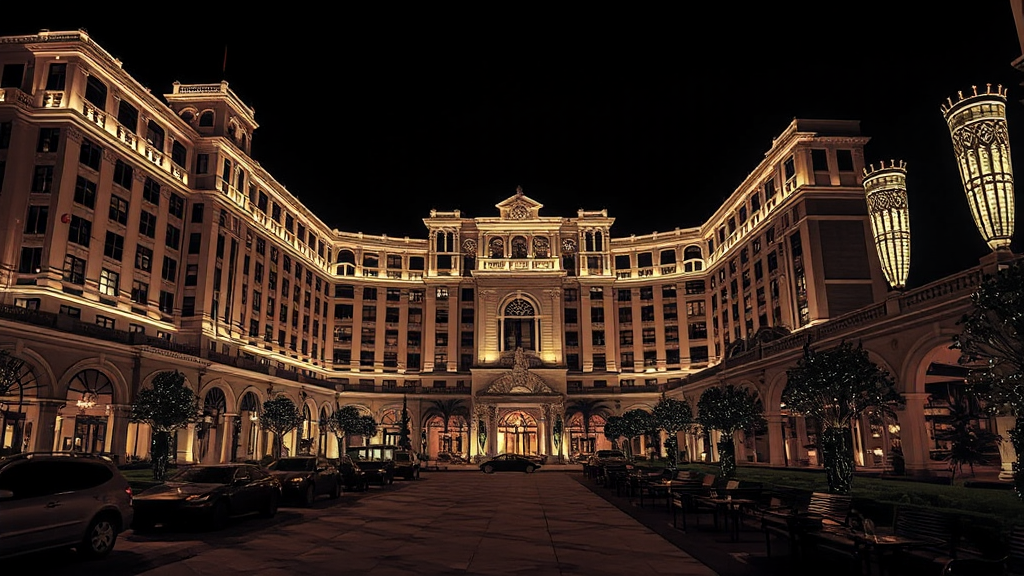
The physical environment of a luxury hotel is a powerful storytelling tool. Architectural design, interior decor, and landscaping work together to create a sense of place. Whether it’s a historic castle in the Scottish Highlands, a minimalist beachfront villa in Bali, or a sleek urban tower in Manhattan, the design should reflect the local culture and history while offering comfort and sophistication. Natural materials, curated art collections, and thoughtful lighting are essential. Many top-tier properties collaborate with renowned architects and designers to craft spaces that are both photogenic and functional. The lobby, often the first point of contact, sets the tone—grand yet welcoming, opulent yet intimate. Every corridor, suite, and public area is an opportunity to tell a story and evoke emotion.
Exceptional Service: Anticipating Needs Before They Are Voiced
Service in luxury hotels is an art form. Staff are trained not just to respond to requests but to anticipate them. This requires a blend of intuition, attention to detail, and genuine warmth. A doorman remembers your name after one encounter; a housekeeper notices you prefer extra towels and leaves them without being asked; a bartender recalls your favorite cocktail from a previous visit. These small gestures accumulate into a seamless, almost magical experience. The best hotels empower their employees to make decisions on the spot, ensuring that guest issues are resolved quickly and creatively. A true luxury experience is one where everything feels effortless, and the guest never has to ask for the obvious.
Culinary Excellence: Dining as Destination
Gastronomy has become a central pillar of luxury hospitality. Many travelers choose a hotel specifically for its restaurant or bar. Top hotels employ Michelin-starred chefs, source local and sustainable ingredients, and design menus that celebrate regional flavors. The dining experience extends beyond the plate—ambiance, service, wine pairings, and even the tableware contribute to the overall impression. In-room dining is elevated to the same standard, with beautifully presented meals served on fine china. Some properties offer cooking classes, chef’s table experiences, or private dinners in unique settings like a rooftop terrace or a wine cellar. Culinary excellence not only satisfies hunger but also creates lasting memories and a reason to return.
Wellness and Sustainability: A Holistic Approach
Modern luxury travelers are increasingly conscious of their health and the environment. Wellness programs now go beyond a basic gym and spa. They include yoga retreats, meditation sessions, nutritionist consultations, and holistic treatments using organic products. Hotels are also embracing sustainability, from reducing single-use plastics and installing energy-efficient systems to supporting local communities and preserving natural habitats. Eco-luxury is a growing trend, where guests can enjoy opulence without guilt. Properties that successfully integrate wellness and sustainability into their core offering appeal to a demographic that values authenticity and responsibility. This holistic approach ensures that guests leave feeling rejuvenated not only physically but also ethically satisfied.
Technology and Connectivity: Enhancing the Stay
While luxury is often associated with tradition, technology plays a crucial role in modern hospitality. High-speed Wi-Fi is a given, but leading hotels go further. They offer smart room controls for lighting, temperature, and entertainment; mobile check-in and digital keys; and in-room tablets for ordering services. However, technology should never replace human interaction. Instead, it should enhance it. For example, a guest might use an app to request extra pillows or book a spa appointment, but the delivery is still made with a smile. Some properties use AI to analyze guest preferences and offer personalized recommendations. The key is to integrate technology seamlessly so that it feels intuitive and unobtrusive, adding convenience without coldness.
Creating a Sense of Place and Community
Luxury hotels are increasingly becoming cultural hubs within their communities. They host art exhibitions, live music events, and local artisan markets. They collaborate with nearby galleries, museums, and tour operators to offer guests exclusive access. This not only enriches the guest experience but also supports local economies and fosters a sense of authenticity. A hotel that feels like a genuine part of its destination, rather than a generic international brand, stands out. For those seeking a truly memorable stay, properties like thebiltmorehotels exemplify this philosophy, blending timeless elegance with local character. By engaging with the surrounding community, hotels create a deeper connection that resonates long after check-out.
FAQs
What defines a luxury hotel experience?
A luxury hotel experience is defined by exceptional personalized service, high-quality amenities, exquisite design, and attention to detail. It goes beyond comfort to create a memorable, immersive journey that caters to the individual preferences of each guest.
How do hotels personalize stays for guests?
Hotels use pre-arrival surveys, guest history data, and direct communication to learn about preferences such as room temperature, pillow type, dietary restrictions, and activities. This information is then used to tailor everything from welcome amenities to daily itineraries.
Why is sustainability important in luxury hospitality?
Sustainability is important because modern travelers are more environmentally conscious. Eco-friendly practices reduce the hotel’s carbon footprint, appeal to guests’ values, and often lead to cost savings. It also enhances the brand’s reputation as responsible and forward-thinking.
What role does technology play in luxury hotels?
Technology enhances convenience through smart room controls, mobile apps, and digital concierge services. However, it is used to complement rather than replace human interaction, ensuring that service remains warm and personal while offering modern efficiency.
How can a hotel create a sense of place?
By incorporating local architecture, art, cuisine, and cultural experiences into the guest journey. This includes partnering with local artisans, offering regional dishes, and organizing tours that showcase the destination’s unique heritage and community.
For readers who want to learn more about thebiltmorehotels, it helps to compare different approaches, read expert opinions, and consider how the topic fits into the broader general landscape.
Another key aspect of thebiltmorehotels is understanding how it relates to other topics in the same field. Many experts recommend starting with a clear overview before diving into specific techniques or strategies.